


Buying fitness equipment can look easy until you start comparing your options. There are treadmills, exercise bikes, cross trainers, rowing machines, dumbbells, benches, cable machines, resistance equipment, and plenty of other choices. With so many products available, it is easy to spend money on equipment that looks impressive but does not actually fit your workout routine.
The better approach is to start with one simple question: What do you want to achieve from your workouts?
Your answer should guide your equipment choices. Someone trying to improve endurance may need more cardio fitness equipment, while someone focused on strength will benefit from resistance-based equipment. A person building a small home gym also has different priorities from a gym owner setting up a professional fitness facility.
Choosing equipment based on your goals, available space, usage, and budget can help you create a setup that is practical, comfortable, and useful for the long term.
Start With Your Fitness Goals
Before buying any machine, identify the main purpose of your workouts.
Your goal could be weight management, cardiovascular fitness, muscle building, strength development, improving endurance, general fitness, or a combination of several objectives.
For example, someone who wants to improve cardiovascular endurance may benefit from a treadmill, exercise bike, rowing machine, or cross trainer. Someone focused on strength training may need dumbbells, benches, cable systems, resistance machines, or other strength-focused equipment.
If your goal is general fitness, a combination of cardio and strength equipment can provide more variety.
The important thing is not to buy equipment simply because it is popular. Choose equipment that supports the exercises you are actually planning to perform.
What Is Essential Fitness Equipment?
There is no universal list of essential fitness equipment. What one person considers necessary may be unnecessary for another.
For a basic workout setup, equipment can generally be divided into three categories: cardio, strength training, and functional training.
Cardio equipment includes treadmills, exercise bikes, rowing machines, and cross trainers. Strength equipment can include dumbbells, kettlebells, benches, resistance bands, cable systems, and dedicated machines. Functional training equipment may include mats, medicine balls, suspension trainers, and other accessories.
If you have limited space, prioritize versatile equipment that supports several exercises. A multi-purpose piece of equipment can often provide more value than several machines designed for only one movement.
Choose Cardio Fitness Equipment Carefully
Cardio fitness equipment can make indoor exercise convenient and consistent. However, the right machine depends on your preferred activity and fitness goals.
Treadmills
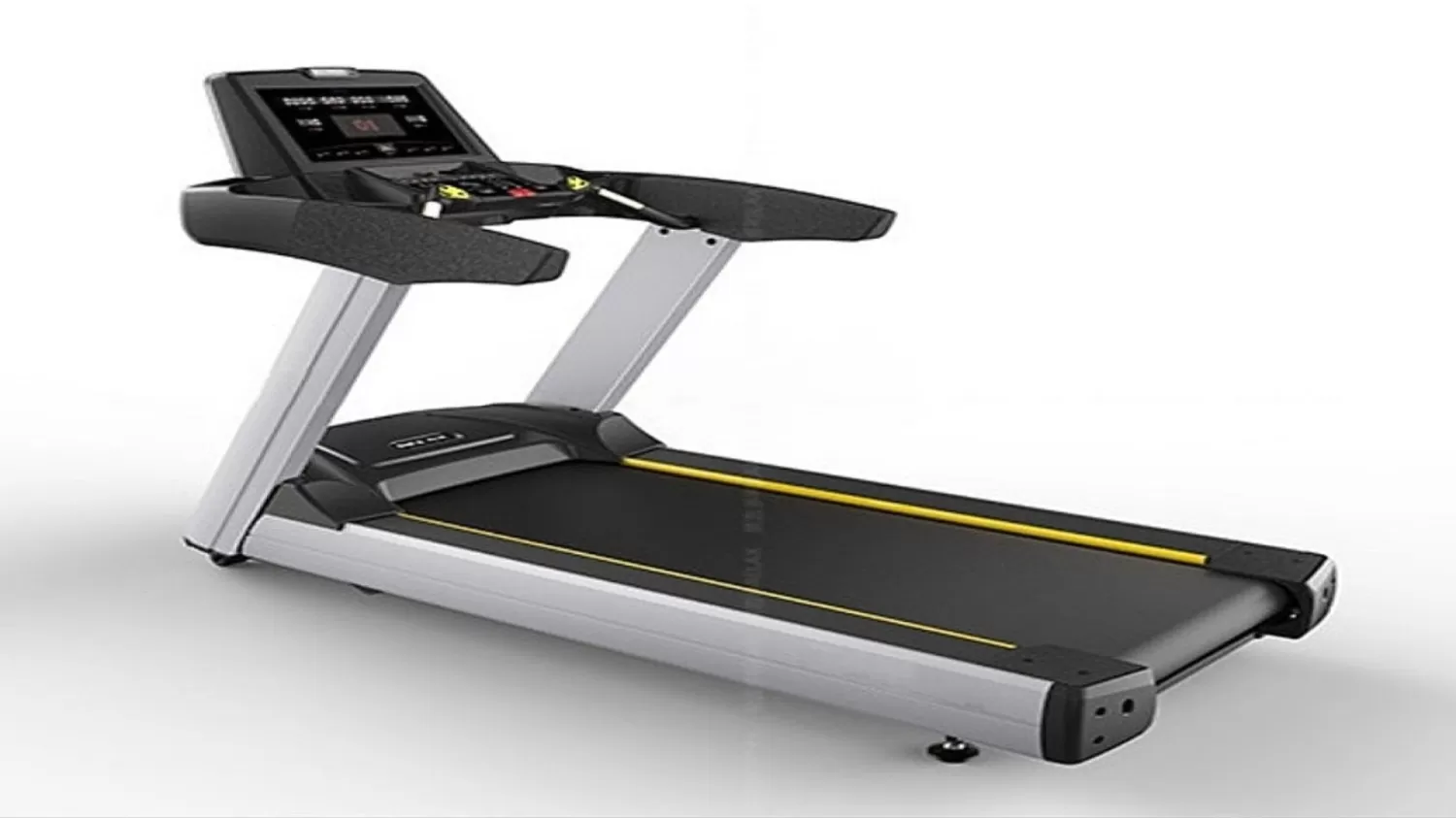
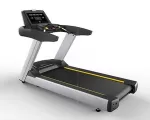
Treadmills are suitable for walking, jogging, and running. They can be particularly useful for people who want to maintain a regular walking or running routine without depending on outdoor conditions.
Before buying a treadmill, consider the running surface, speed range, incline options, stability, motor specifications, and available space.
Exercise Bikes
Exercise bikes provide an indoor cycling option and generally require less floor space than many larger cardio machines. Comfort is important because an uncomfortable bike can make longer workouts difficult to maintain.
Cross Trainers
Cross trainers provide a low-impact workout involving both the upper and lower body. They can be a useful choice for people who want to add variety to their cardio sessions.
Rowing Machines
Rowing machines combine cardiovascular exercise with resistance and involve several major muscle groups. They can be useful for people looking for a more full-body workout.
The best cardio machine is ultimately the one that matches your routine and encourages you to exercise consistently.
Choose Strength Equipment According to Your Training
Strength training equipment allows you to progressively challenge your muscles and build strength over time.
Beginners can start with relatively simple equipment such as adjustable dumbbells, kettlebells, resistance bands, and a sturdy bench. As training becomes more advanced, options can expand to include barbells, racks, cable machines, plate-loaded machines, and other professional gym equipment.
Versatility is particularly important when space is limited. For example, an adjustable bench combined with dumbbells can support several upper- and lower-body exercises without requiring multiple large machines.
For commercial facilities, strength equipment should also be selected according to the type and volume of training members are likely to perform.
How to Choose Workout Equipment for a Home Gym
Setting up a home gym does not mean trying to recreate a commercial fitness center inside your house.
Start by measuring your available space. Remember to consider the space required to operate the equipment, move around it, and perform exercises safely.
If you have a small room, compact and multi-purpose equipment can be a better choice. Adjustable weights, resistance equipment, foldable cardio machines, and functional training accessories can provide several workout options without taking up unnecessary floor space.
Your personal habits should also influence your decision.
If you enjoy strength training but rarely perform cardio, investing most of your budget in a large cardio machine may not make sense. The best workout equipment for a home gym is equipment you will use regularly.
When to Consider Professional Gym Equipment
Professional gym equipment becomes particularly important when equipment will be used frequently by multiple people.
Commercial fitness centers experience much heavier usage than typical home gyms. Machines may be used throughout the day by beginners, experienced athletes, older adults, and people with different body types.
This makes durability, stability, adjustment options, comfort, and ease of use especially important.
Gym owners should also consider the overall mix of equipment. A professional facility may require dedicated cardio machines, strength training equipment, free weights, cable systems, and functional training areas.
The objective should be to create a facility that serves the actual needs of its members rather than simply filling the floor with machines.
Don't Ignore Available Space
Space planning is one of the easiest things to overlook when buying fitness equipment.
A machine may fit within a room's dimensions but still leave too little space for comfortable use. Users need enough room to get onto equipment, perform exercises, move between stations, and train safely.
For a home gym, measure the room before purchasing larger equipment. For a commercial gym, create a floor plan that considers workout zones, member movement, equipment spacing, and peak-hour traffic.
Good planning can make even a smaller facility feel more functional.
Look at Quality, Not Just Price
Price is an important part of any equipment purchase, but it should not be the only consideration.
Low-cost equipment may appear attractive initially, but frequent repairs, uncomfortable design, poor stability, or premature wear can make the purchase more expensive over time.
When comparing high-quality gym fitness equipment, look at the construction, frame, upholstery, moving components, adjustment mechanisms, weight capacity, and overall finish.
For cardio equipment, consider stability, intended usage, performance specifications, and user comfort. For strength equipment, examine frame construction, movement quality, cable or pulley systems, and adjustment points.
The goal is to find equipment that provides the right combination of quality, functionality, and long-term value.
Consider Comfort and Ease of Use
Equipment should support a workout rather than make the workout unnecessarily difficult.
Seats, handles, pads, and adjustment points should be comfortable and easy to position. This becomes particularly important in commercial facilities where equipment needs to accommodate different users.
Controls should also be straightforward. If a member needs a complicated explanation before using a machine, the design may not be as user-friendly as it should be.
Ergonomics may seem like a small detail during the buying process, but it has a significant impact when equipment is used regularly.
Check Warranty and After-Sales Support
The buying decision should not end once the equipment is delivered.
Fitness equipment contains mechanical and electronic components that may eventually require maintenance or replacement. Before purchasing, check warranty terms, service availability, spare parts, and maintenance support.
This is particularly important for commercial gyms. A machine that remains unavailable for several days can affect the member experience and the facility's operations.
Working with an experienced fitness equipment manufacturer or reliable supplier can make it easier to manage servicing and future maintenance.
Think About Long-Term Use
Before buying a piece of equipment, think beyond the first few weeks.
Ask yourself:
- Will I continue using it as my fitness level improves?
- Can it support different exercises?
- Does it fit my current workout routine?
- Will it still be useful a year from now?
- Is it easy to maintain?
These questions can help prevent impulse purchases.
For example, a beginner may start with basic resistance equipment but gradually require more resistance or exercise variety. Choosing adaptable equipment can provide better value as training progresses.
Common Fitness Equipment Buying Mistakes
Buying Only Because It Is Popular
A popular machine may not be suitable for your goals. Consider your routine before following fitness trends.
Choosing the Cheapest Option
A lower purchase price does not always mean lower overall cost. Durability and maintenance should also be considered.
Ignoring Measurements
Always measure your available space before buying large equipment and account for operating clearance.
Buying More Than You Need
A large equipment collection is not necessary for an effective workout. Start with the equipment that supports your priorities.
Forgetting Maintenance
Check warranty and service support before making a purchase, especially for expensive or frequently used equipment.
How to Create an Effective Equipment Setup
Once you understand your goals, space, and budget, build your equipment list around your priorities.
For a home gym, a combination of versatile strength equipment, functional accessories, and one suitable cardio option may be enough for a broad range of workouts.
For strength-focused training, prioritize equipment that allows progressive resistance and supports the movements included in your training program.
For cardio-focused workouts, choose equipment that you enjoy using and that fits comfortably within your available space.
For commercial gyms, create a balanced mix of cardio, strength, free-weight, and functional training equipment based on the needs of your members.
Remember, the purpose of an equipment setup is not to fill every empty area. Every piece should have a reason to be there.
Final Thoughts
Choosing the right fitness equipment starts with understanding your own workout goals. Once you know what you want to achieve, it becomes much easier to decide which equipment deserves your investment.
Consider functionality, quality, comfort, durability, available space, maintenance, and long-term use before making a purchase. Whether you are building a home gym or investing in commercial gym equipment, selecting products based on actual needs is far more useful than simply choosing the most expensive or popular options.
The right equipment should make your workouts more convenient, support your progress, and encourage you to stay consistent.
If you're planning a new workout space or upgrading an existing facility, explore equipment based on your training requirements and choose solutions that offer the right balance of performance, durability, and value.
Frequently Asked Questions
What is the most essential fitness equipment?
The answer depends on your fitness goals. Cardio equipment can support endurance and cardiovascular training, while resistance equipment is useful for strength development. Versatile equipment can be particularly valuable when space is limited.
What workout equipment is best for a home gym?
For a home gym, choose equipment based on the workouts you enjoy. Adjustable weights, benches, resistance equipment, and compact cardio machines can provide a practical combination without requiring a large space.
How do I choose cardio fitness equipment?
Consider the type of cardio you enjoy, available space, comfort, frequency of use, durability, and your fitness objectives. The most useful machine is one you are likely to use consistently.
Is professional gym equipment suitable for home use?
Some professional equipment can be used at home, particularly when durability is a priority. However, commercial machines can be larger and may require more space than a typical home setup.
What should I check before buying gym equipment?
Check the equipment's construction, dimensions, functionality, comfort, intended usage, warranty, maintenance requirements, spare parts availability, and supplier or manufacturer's service support.
Is expensive gym equipment always better?
Not necessarily. The best equipment is the one that matches your goals and provides the quality, functionality, comfort, and durability you actually need.
 Need Help ?