


Choosing gym equipment becomes much easier when you know what you actually need. Whether you are setting up a home workout space or planning a commercial gym, buying equipment without considering your goals, space, users, and budget can lead to unnecessary expenses.
A home gym may need only a few versatile pieces of equipment, while a commercial facility requires machines that can handle regular use throughout the day. Beginners also have different requirements from experienced users who follow structured strength or cardio training.
The right approach is simple: choose equipment around the workout, not the other way around.
Start With Your Fitness Goals
Before buying anything, decide what you want the equipment to help you achieve. Your goals could include strength building, weight management, cardiovascular fitness, endurance, muscle development, or general fitness.
If strength training is your priority, look at dumbbells, benches, racks, cable systems, and strength machines. If cardio is more important, treadmills, exercise bikes, cross trainers, and rowing machines may be more suitable.
For general fitness, a combination of cardio and strength training equipment can provide greater workout variety.
Understanding your goals first also helps prevent a common mistake: buying machines simply because they are popular.
Gym Equipment for Beginners
Beginners do not need a room full of machines to start exercising effectively. A few versatile products can support a wide range of workouts.
Depending on your goals, basic equipment may include adjustable dumbbells, kettlebells, resistance bands, a workout bench, or a compact cardio machine.
For example, someone who enjoys walking or jogging may benefit from a treadmill, while someone interested in strength training may get more value from adjustable weights and a bench.
Start with equipment you are comfortable using and gradually expand your setup as your fitness level and workout requirements change.
Essential Strength Training Equipment
Strength training equipment is useful for developing muscle strength, improving physical performance, and supporting progressive workouts.
A basic strength setup may include:
- Dumbbells and kettlebells
- Workout benches
- Barbells and weight plates
- Squat racks or power racks
- Cable machines
- Functional trainers
- Plate-loaded machines
- Selectorized strength machines
For a home gym, versatile equipment can save considerable space. A good adjustable bench and a set of adjustable weights, for instance, can support numerous exercises without requiring several large machines.
Commercial gyms have different requirements because members expect a wider selection of training options.
Choosing Gym Equipment for Commercial Gyms
Commercial gym equipment must be selected with regular, repeated use in mind.
A machine in a home gym may be used by one person for a few hours each week. In a commercial fitness center, the same type of equipment may be used continuously by many members throughout the day.
This makes durability, stability, user comfort, maintenance, and after-sales support especially important.
Gym owners should also consider their target audience. A bodybuilding-focused gym may require more strength equipment, while a general fitness center may need a balanced combination of cardio, strength, free weights, and functional training equipment.
The goal is not to buy every machine available. It is to select equipment members will actually use.
Choose Cardio Equipment Based on Usage
Cardio equipment can play an important role in both home and commercial gyms.
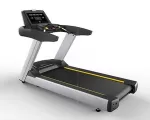
Common options include treadmills, exercise bikes, cross trainers, rowing machines, and stair-climbing machines.
When comparing cardio equipment, consider the available space, expected frequency of use, user comfort, stability, maintenance requirements, and the type of workouts the equipment supports.
For a home gym, one well-chosen cardio machine may be enough. A commercial facility may require several types and multiple units to reduce waiting during busy hours.
Consider Your Available Space
Space should be considered before placing an equipment order, not after delivery.
Measure the room and account for the space required to use each machine safely. There should be enough room for users to move between equipment and perform exercises without feeling restricted.
For commercial gyms, divide the facility into logical zones for cardio, strength training, free weights, functional training, and stretching.
A well-planned layout can make a gym feel more spacious and organized, even when the total floor area is limited.
Quality and Durability Matter
Price is important, but buying the cheapest equipment is not always the most economical decision.
Regular use puts considerable stress on gym equipment. Poor-quality construction can lead to frequent repairs, uncomfortable operation, and shorter equipment life.
Before buying, check the frame construction, materials, weight capacity, upholstery, adjustment mechanisms, cables, pulleys, and moving components.
For commercial facilities, durable equipment can help reduce downtime and maintenance costs while providing members with a more consistent workout experience.
Don't Ignore Comfort and Ease of Use
Gym equipment should be comfortable and straightforward to operate.
Seats, handles, grips, pads, and adjustment points should allow users to find a suitable position without unnecessary difficulty. This is particularly important in commercial gyms where equipment needs to accommodate people with different heights and training levels.
A machine can have impressive specifications, but if it is uncomfortable or difficult to adjust, members may simply avoid using it.
Good equipment combines performance with practical usability.
Check the Supplier and After-Sales Support
The manufacturer or supplier you choose can have a major impact on the long-term value of your investment.
Before purchasing, check warranty coverage, installation services, spare parts availability, maintenance support, and service response.
For a commercial gym, reliable support is particularly important. A machine that remains out of service for an extended period can affect both daily operations and the member experience.
Choosing an experienced gym equipment supplier can make the installation and maintenance process considerably easier.
Avoid Common Buying Mistakes
One of the biggest mistakes is buying equipment based only on price. A lower initial cost does not necessarily mean better long-term value.
Another common problem is purchasing too much equipment without considering how frequently it will be used. Unused machines take up valuable space and tie up your budget.
Ignoring maintenance and warranty support can also create problems later.
Before making a purchase, ask yourself:
- Does this equipment match my workout goals?
- Is it suitable for the intended users?
- Will it fit comfortably in the available space?
- Can it handle the expected level of use?
- What maintenance will it require?
- Is reliable service available?
These questions can help you make a more informed decision.
Build a Balanced Gym Setup
A good gym does not need every type of machine. It needs the right combination.
A beginner home gym may require a few versatile strength products and one suitable cardio option. A larger home setup can be expanded as training needs develop.
A commercial gym may need dedicated cardio areas, free-weight sections, strength machines, cable systems, and functional training zones.
The equipment mix should reflect the people using the facility and the workouts they want to perform.
Every piece of equipment should have a purpose.
Final Thoughts
Whether you are creating a home gym or planning a commercial fitness facility, choosing the right equipment starts with understanding your requirements.
Focus on your workout goals, available space, expected usage, equipment quality, comfort, durability, and after-sales support. Instead of buying based purely on price or popularity, choose products that provide practical value over the long term.
The right gym equipment can make workouts more convenient, improve the user experience, and help create a fitness space that people actually want to use.
If you are planning a new gym or upgrading an existing workout space, explore equipment according to your training requirements and choose solutions that offer the right balance of performance, durability, functionality, and value.
Frequently Asked Questions
What gym equipment should beginners buy first?
Beginners should start with versatile equipment that supports their main fitness goals. Depending on the workout, this could include adjustable weights, resistance equipment, a bench, or a suitable cardio machine.
What equipment is needed for a commercial gym?
A commercial gym may require cardio machines, strength training equipment, free weights, benches, cable systems, functional training equipment, and supporting accessories. The exact selection depends on the facility and its members.
How do I choose the right gym equipment?
Consider your fitness goals, available space, expected usage, equipment quality, comfort, durability, maintenance requirements, warranty, and supplier support.
Is commercial gym equipment suitable for home use?
Some commercial equipment can be used at home, particularly when durability is important. However, commercial machines may require more space than a typical home gym can provide.
 Need Help ?