


Running a successful fitness centre requires more than installing a few machines. Gym owners need equipment that suits their members, makes effective use of available space, and can handle regular daily workouts. Understanding the latest commercial gym equipment trends can help businesses make informed decisions when setting up a new gym or upgrading an existing facility.
From versatile strength training machines to functional workout areas and reliable cardio equipment, the focus is on choosing solutions that offer practical value. The right equipment mix depends on the gym's size, target audience, budget and training requirements.
1. Strength Training Equipment for Modern Gyms
Strength training remains an important part of many fitness facilities. Dumbbells, benches, squat racks, cable machines and sectorized strength machines allow members to perform a wide range of exercises.
When selecting LEG CURL EXTENSION COMMERCIAL GYM, owners should consider the type of training their members prefer and how frequently each machine is likely to be used. A strength-focused gym may require more free weights and specialised machines, while a general fitness centre may benefit from a balanced selection of strength and cardio equipment.
Choosing equipment according to actual member requirements can help create a more functional workout environment.
2. Functional Training and Multi-Functional Equipment
Functional training areas give members more flexibility to perform different exercises in one space. Depending on the facility, these areas may include kettlebells, resistance equipment, adjustable benches, functional trainers and other workout accessories.
Multi-functional gym equipment can also help gym owners make better use of limited floor space. A single station may support several exercises, reducing the need for separate machines for every movement.
Before purchasing, check the equipment's dimensions, available functions, construction and ease of adjustment. The goal is to choose equipment that suits the gym's training requirements rather than investing in features that members may rarely use.
3. Cardio Equipment That Matches Member Needs
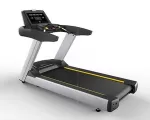
Treadmills, exercise bikes, cross trainers and stair-climbing machines are common choices for commercial fitness centres. However, every gym does not need the same combination.
For example, a facility with high demand for running and walking may need more treadmill capacity, while a smaller gym may prefer a varied selection of compact cardio machines.
Gym owners should compare equipment specifications, user comfort, stability, maintenance requirements and available space before making a decision. Planning the cardio area carefully can also help reduce congestion during busy hours.
4. Durability and Maintenance Matter
Commercial gym equipment often experiences frequent use by multiple members throughout the day. For this reason, build quality and maintenance should be considered alongside the initial purchase price.
Check the frame, cables, pulleys, moving parts, upholstery and adjustment mechanisms. It is also important to understand warranty coverage, spare-part availability and after-sales service.
Equipment that is easier to maintain can help gym owners manage operating costs and minimise disruption when repairs are required. Comparing long-term ownership costs can therefore provide a clearer picture of value than comparing prices alone.
5. Smart Equipment and Better Workout Experiences
Some modern fitness machines include digital displays, workout tracking and connected training features. These options may help members monitor performance and follow structured exercise sessions.
However, technology should serve a clear purpose. Before investing in connected equipment, gym owners should consider whether members will use its features, whether it is easy to operate and whether ongoing software or subscription costs apply.
For some facilities, selected smart machines may be worthwhile. Others may benefit more from investing in durable equipment, better space planning and a balanced range of workout options.
6. Choosing the Right Fitness Equipment Manufacturer
Selecting a reliable STAIR CLIMBER MANUFATURER is an important part of planning a commercial gym. Buyers should review product specifications, equipment range, manufacturing information, warranty terms and available service support.
A suitable fitness equipment supplier should also communicate clearly about delivery, installation and maintenance arrangements where these services are offered. For international buyers, export documentation, shipping arrangements and destination requirements should be discussed before placing an order.
Comparing suppliers on these practical factors helps gym owners make better-informed purchasing decisions.
7. Nortus Fitness Gym Equipment Solutions
Nortus Fitness offers fitness equipment for commercial facilities, including strength equipment, cardio machines, benches and racks. When planning a new gym or upgrading an existing space, buyers can begin by identifying their training requirements, available floor area and expected equipment usage.
The next step is to compare suitable equipment options and review their specifications, durability, maintenance needs and suitability for the intended users.
By focusing on these requirements, gym owners can make more informed decisions when exploring Nortus Fitness gym equipment solutions for their facilities.
Final Thoughts
Commercial gym equipment trends are most useful when they help businesses make practical investment decisions. Strength training machines, cardio equipment, functional training stations, space-efficient solutions and dependable after-sales support all deserve consideration when planning a modern fitness centre.
The best equipment selection depends on the gym's audience, available space and long-term operating requirements. Before purchasing, compare product quality, specifications, maintenance needs and supplier support to create a setup that serves members effectively.
Planning a new fitness centre or upgrading your existing gym?
Explore Nortus Fitness equipment options and discuss your requirements to identify suitable solutions for your facility.
Frequently Asked Questions
What equipment does a commercial gym need?
A commercial gym may require cardio machines, strength training equipment, free weights, benches, racks and functional training accessories. The selection depends on the gym's size and target audience.
Why is equipment durability important?
Durable equipment is designed to withstand regular use. Build quality, maintenance requirements and spare-part availability can affect long-term operating costs.
Is multi-functional gym equipment useful for commercial gyms?
Yes. It can provide several exercise options within one station, making it useful when floor space is limited. Its suitability depends on the equipment's functions and member requirements.
How do I choose a fitness equipment supplier?
Compare product specifications, warranty terms, service support, delivery arrangements and the supplier's ability to meet your project requirements.
What should I consider before upgrading gym equipment?
Review member demand, equipment condition, available space, maintenance costs and the training options your facility needs to provide.
 Need Help ?