



Setting up a new gym requires more than buying exercise machines. Gym owners need equipment that fits their space, meets their members' training needs and remains practical to maintain over time. Choosing the wrong products can increase costs and create problems with equipment availability, repairs and everyday operations.
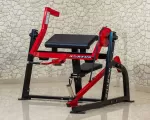
Whether you are opening a fitness centre or expanding an existing facility, selecting the PLATE-LOADED ABDOMINAL OBLIQUE CRUNCH is an important step. Comparing product quality, equipment range, warranty coverage and after-sales support can help you make a more informed investment.
1. Understand Your Gym's Equipment Requirements
Before approaching a commercial gym equipment supplier, decide what type of fitness facility you want to establish. A strength-focused gym may need dumbbells, barbells, benches, racks and specialised resistance machines, while a general fitness centre may require a balanced selection of strength and cardio equipment.
Your target audience, available floor space and budget should guide the equipment list. For example, a smaller gym may benefit from versatile machines that support several exercises, while a larger facility may need dedicated equipment for different workout areas.
Having a clear plan makes it easier to compare manufacturers and request quotations for products that suit your project.
2. Check the Manufacturer's Product Range
A suitable gym equipment manufacturer should offer products that match your facility's requirements. Review the available categories, product specifications and intended applications before making a decision.
Commercial gym setup equipment may include treadmills, exercise bikes, dumbbells, benches, cable machines, strength training machines and weight racks. Confirm which products are available and whether their dimensions and features suit your planned layout.
If you are purchasing equipment for an entire gym, discuss your equipment list with the supplier before placing an order. This helps you evaluate the proposed selection against your budget and workout requirements.
3. Evaluate Commercial Strength Training Equipment
Strength training equipment is an important investment for many commercial fitness centres. When comparing machines and free weights, consider their construction, stability, adjustment options and suitability for regular use.
Check the frame, cables, pulleys, moving components, upholstery and weight capacity. User comfort is equally important because equipment should accommodate people with different fitness levels and body sizes.
Ask the manufacturer about maintenance recommendations, warranty coverage and spare-part availability. These details help you understand what will be required to keep the equipment in suitable working condition.
4. Compare Equipment Quality and Long-Term Value
The lowest quotation is not always the most economical choice. Equipment ownership may involve maintenance, repairs, replacement parts, delivery and installation costs.
When comparing manufacturers, review the specifications and warranty conditions carefully. Ask what the warranty covers, which exclusions apply and how service requests are handled.
For a busy gym, equipment durability and accessible technical support can be particularly important. Compare the expected usage, maintenance requirements and available service arrangements instead of making your decision on purchase price alone.
5. Plan Your Gym Layout Before Purchasing
Even good equipment can become impractical if it does not fit the available space. Measure the gym floor and check the dimensions of each machine before finalising your order.
Allow sufficient clearance for access, adjustments and exercise movements. You may also want separate areas for cardio, strength training, free weights and functional workouts, depending on the size of your facility.
For smaller gyms, multi-functional equipment may help provide several exercise options within a limited area. Planning the layout in advance can reduce overcrowding and prevent unnecessary changes after delivery.
6. Gym Equipment Manufacturers and Competitors to Compare
Researching different brands helps you understand the available equipment categories and identify products that may suit your project. The following companies are useful starting points for comparison, rather than a ranking of the best manufacturers.
International brands
- Life Fitness and Hammer Strength: Worth researching for commercial cardio and strength training equipment.
- Technogym: Offers fitness equipment and connected training solutions across different market segments.
- Rogue Fitness: Relevant for buyers researching strength training equipment, racks, free weights and functional fitness products.
- Concept2: Particularly relevant for rowing machines and indoor conditioning equipment.
- Cybex: A brand to investigate for commercial strength and cardio equipment.
- Precor: Worth comparing for relevant commercial fitness equipment categories.
- Rep Fitness: Offers equipment options for strength training, including racks and benches.
Indian brands and suppliers
- Jerai Fitness: An Indian brand to research for commercial gym equipment.
- Viva Fitness: Worth comparing for its available fitness equipment categories.
- Durafit: A brand to investigate for relevant cardio and strength equipment.
- Cosco: A sports and fitness brand with products across selected equipment categories.
- Nortus Fitness: An option to explore for commercial and home fitness equipment requirements.
These brands serve different market segments and may not offer identical products or services. Before choosing one, confirm the current product range, commercial suitability, specifications, warranty conditions and service availability directly with the company.
7. Check Delivery, Installation and After-Sales Support
Selecting a manufacturer involves more than choosing machines. You should also understand how the equipment will be delivered, installed and supported after purchase.
Before confirming an order, ask about delivery timelines, installation arrangements, warranty coverage and spare-part availability. Clarify which services are included in the quotation and whether additional charges apply.
For larger projects, clear communication about the equipment list and delivery schedule can help make the purchasing process more organised.
8. Explore Nortus Fitness Equipment Solutions
Nortus Fitness offers equipment options for commercial and home fitness facilities, including strength equipment, cardio machines, benches and racks. Gym owners planning a new facility can explore relevant categories according to their floor space, target audience and budget.
Before selecting products, review their specifications and dimensions. Confirm availability, warranty terms, delivery arrangements and applicable support services directly with the company to determine whether the options meet your project requirements.
Final Thoughts
Choosing the right gym equipment manufacturer starts with understanding your facility's requirements. Consider the target audience, equipment range, product quality, available floor space, maintenance needs and budget before making a decision.
Compare manufacturers using clear specifications and confirm warranty, delivery, installation and after-sales arrangements in advance. Researching brands such as Life Fitness, Hammer Strength, Technogym, Rogue Fitness, Concept2, Cybex, Precor, Rep Fitness, Jerai Fitness, Viva Fitness, Durafit, Cosco and Nortus Fitness can help you explore different options.
Planning a new commercial gym?
Explore Multi-Press Gym Equipment options and discuss your requirements to identify suitable solutions for your fitness facility.
Frequently Asked Questions
How do I choose a gym equipment manufacturer?
Review the product range, specifications, construction quality, warranty conditions, spare-part availability and after-sales support. Make sure the equipment meets your facility's requirements.
What equipment is needed for a new gym setup?
A new gym may require cardio machines, strength training equipment, free weights, benches, racks and functional training accessories. The right selection depends on the gym's size, audience and budget.
What should I check before buying commercial strength training equipment?
Check construction quality, stability, weight capacity, adjustment options, maintenance requirements and warranty terms. Confirm that the equipment suits its intended commercial use.
Is the cheapest gym equipment supplier the best choice?
Not necessarily. Compare product specifications, expected usage, maintenance costs, warranty coverage and service support alongside the purchase price.
Why is after-sales support important?
Access to technical assistance and spare parts can help manage repairs and reduce equipment downtime, which is particularly important in busy commercial fitness facilities.
 Need Help ?